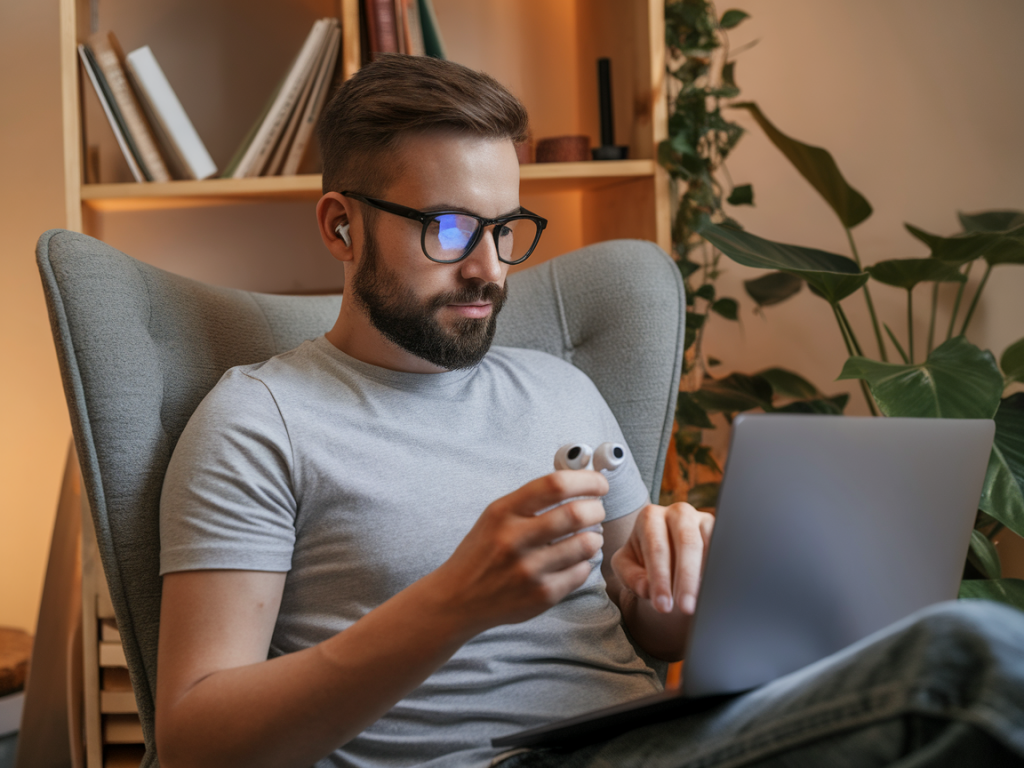
I spent a week traveling for work with only a pair of budget earbuds in my bag. No expensive over-ears, no backup wired headset — just a compact case, a USB-C cable, and whatever the manufacturer promised on the box. The experiment was simple: treat those earbuds like my only audio tool for meetings, music, podcasts, and airport noise for seven days. What I learned wasn't just about sound quality. It was about expectations, trade-offs, ergonomics, and which compromises you can live with when you're remote and on the move.
Why test budget earbuds for travel
Budget earbuds are appealing because they’re cheap, small, and replaceable. But when you rely on them for a work trip, the stakes feel higher: unclear calls, flaky connections, or poor battery life can wreck a meeting or a long layover. I wanted to know which annoyances were minor inconveniences and which were dealbreakers. I also wanted practical tips you can use if you decide to travel light.
First impressions matter — case, fit, and pairing
The first thing I check is the case. For travel, a chunky, fragile case is a negative. The best budget cases are compact with a reasonably secure lid and a USB-C port placed so a short cable won’t bend awkwardly. Models from Anker (Soundcore), EarFun, and JBL often get this right.
Fit is everything. Budget earbuds vary wildly in how they sit in the ear. I brought multiple silicone tip sizes and a thin Comply foam pair. Foam tips instantly improved passive isolation and call clarity on nearly every set I tried. If you're traveling, pack at least two tip sizes and a foam option — they take almost no space and fix 50% of fit-related problems.
Pairing should be painless. Most modern budget earbuds use Bluetooth 5.x and pair quickly with phones and laptops. What trips people up is multi-device behavior: some reconnect to your phone and drop the laptop mid-call. I recommend pairing before critical meetings and disabling the phone’s Bluetooth temporarily if you need a stable laptop connection.
Call quality: what to expect and how to improve it
Microphones are the Achilles' heel of cheap earbuds. In quiet hotel rooms they did okay; in noisy cafés, most of them turned my voice into a mushy blob. A few brands (like the Soundcore Life P series) had better beamforming mics that separated speech from background noise, but even those struggle with wind.
Practical fixes I used:
Noise isolation, ANC, and when they matter
Active noise cancellation (ANC) is available even in cheap buds, but it’s variable. Budget ANC helps reduce low-frequency hums on planes or buses, but it seldom matches the smoothness of premium ANC. Also, ANC drains battery noticeably faster.
Passive isolation — good silicon or foam tips — often matter more than cheap ANC. On a cramped train, a snug fit with foam tips was more effective than switching ANC modes on or off.
Battery life and charging behavior
Battery claims on paper seldom match real-world use. Manufacturers often state total battery life with the charging case; what matters on the road is the single-use duration plus the case's top-ups.
| Model | Single Use | With Case | ANC | IP Rating | Approx Price (GBP) |
|---|---|---|---|---|---|
| Anker Soundcore Life P3 | 7-8 hours | 30-35 hours | Basic | IPX5 | £50-£70 |
| JBL Tune 230NC | 6-7 hours | 20-30 hours | Decent | IPX4 | £50-£80 |
| EarFun Air | 7 hours | 35 hours | Light | IPX7 | £40-£60 |
| Samsung Galaxy Buds FE | 6-8 hours | 24-30 hours | Good | IPX2 | £70-£90 |
Tips I learned:
Sound quality and codecs
Expect balanced but unremarkable sound in the budget segment. Bass is often emphasized to create a pleasing initial impression, which can muddy mids. If you care about clarity for podcasts and speech, look for earbuds that present vocals forward rather than bloated bass.
Codecs like AAC and aptX are occasionally available at this price. They help with quality and latency; keep in mind that laptop Bluetooth stacks are still less consistent than phones for codec negotiation. If low latency matters (for remote presentations or video), test before your meeting.
Durability, hygiene, and maintenance
Budget earbuds are more disposable, but you can extend their useful life with simple care. I wiped contacts between flights, cleaned ear tips with isopropyl wipes, and avoided leaving the case exposed to heat. Condensation in humid climates can cause unpredictable behavior; let them dry if they get damp.
Packing checklist for a week of travel
Final practical advice from a week on the road
If you travel light and rely on budget earbuds, accept the trade-offs: they won’t match premium ANC, mic clarity will be hit-or-miss, and battery life can be finicky. But with a few proactive moves — foam tips, a charging cable, pre-pairing, and simple hygiene — they can be more than serviceable. For work calls, prioritize stability and mic clarity over sculpted sound. For downtime, accept that portable, cheap earbuds are about convenience, not audiophile fidelity.
On my trip, the cheapest pair survived because I planned around their limitations. I also learned the thing I cared about most wasn’t perfect sound — it was predictable behavior: consistent connection, reliable battery, and a mic that didn’t make me sound like I was underwater. If you’re traveling for a week and want to pack light, focus on those factors first.